3D rendering technology has revolutionized the way we visualize and present ideas. Unlike photography, which captures a moment in time, 3D renders allow for complete control over every aspect of the scene, from lighting to materials to camera angles. This flexibility can significantly enhance the storytelling aspect of design.
Moreover, 3D renders can create entirely imaginary spaces that do not exist in reality. This capability enables designers to explore and present concepts that push the boundaries of creativity. By combining elements from various sources, 3D rendering can create a cohesive vision tailored to a client’s needs.
Visual storytelling is only limited by your imagination.
Understanding Mental Health and Well-being:-
Key Advantages of 3D Rendering

Whether you’re a psychology enthusiast, a student of the mind, or simply curious about human behaviour
The ability to customize every detail in a 3D render means that designers can create highly specific and personalized visuals. This level of detail is particularly beneficial in fields such as architecture and product design, where precision is vital. Clients can see exactly how a finished product will look, even before any physical work begins.
In conclusion, while photography captures reality, 3D renders open up a world of possibilities that photography simply cannot match. The ability to visualize, customize, and present ideas in innovative ways makes 3D rendering an indispensable tool in the design process. As technology continues to evolve, we can only expect these advantages to expand, further enhancing the creative landscape.
If a design could belong to any brand, it belongs to none. Our job is to find the version only this client could own.
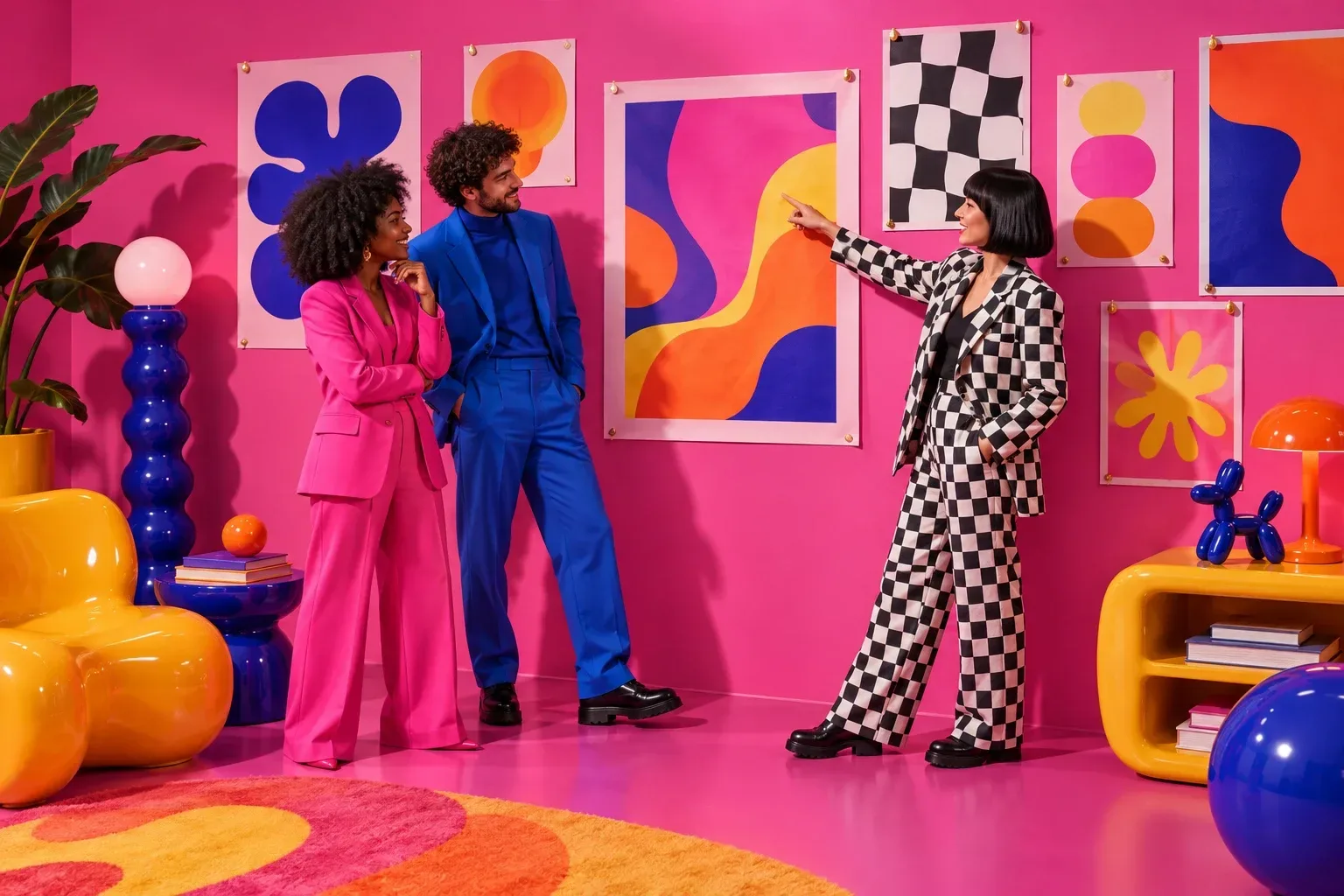
What 3D renders do that photography can’t